Posts filed under Woodlands

The Color Conundrum

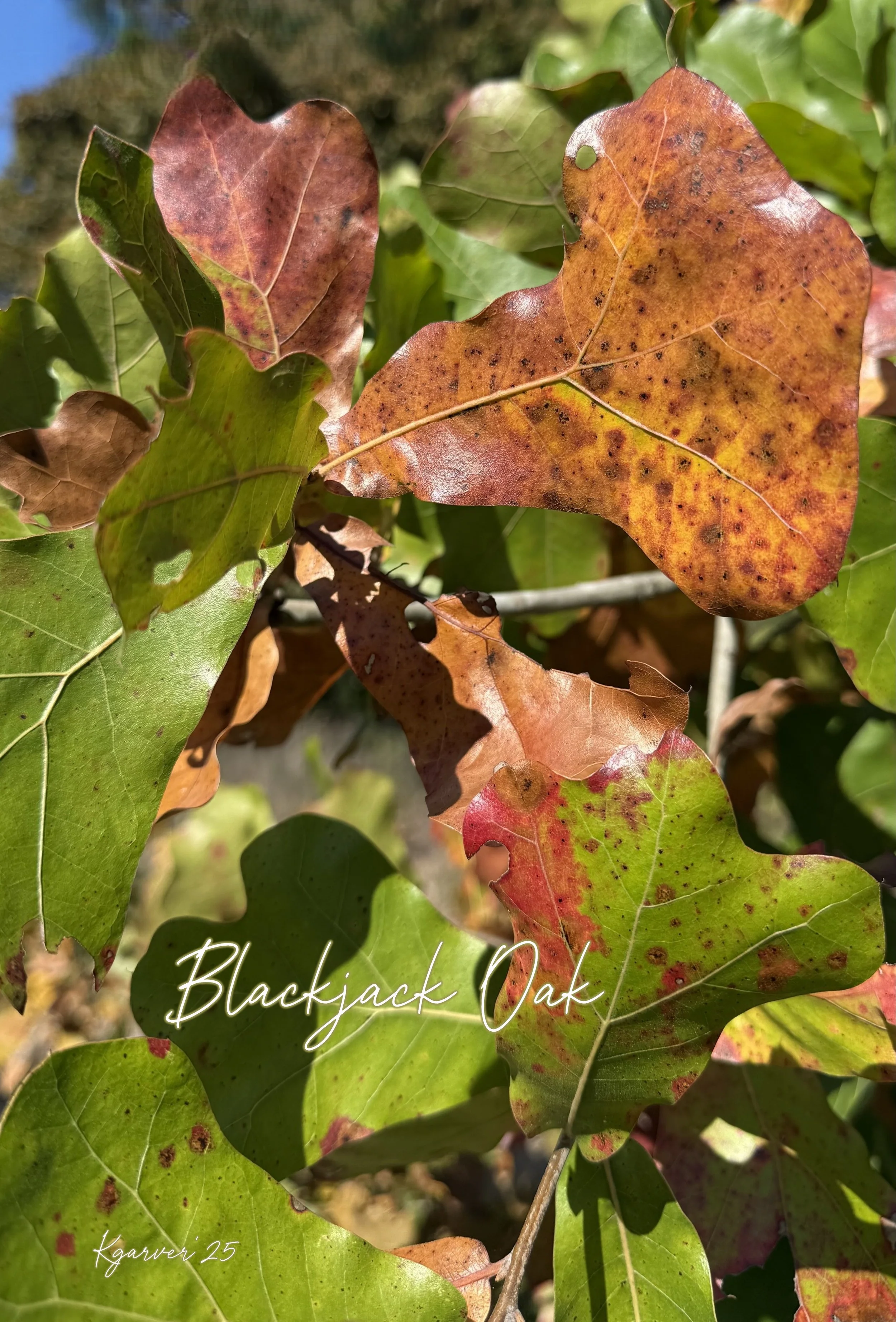
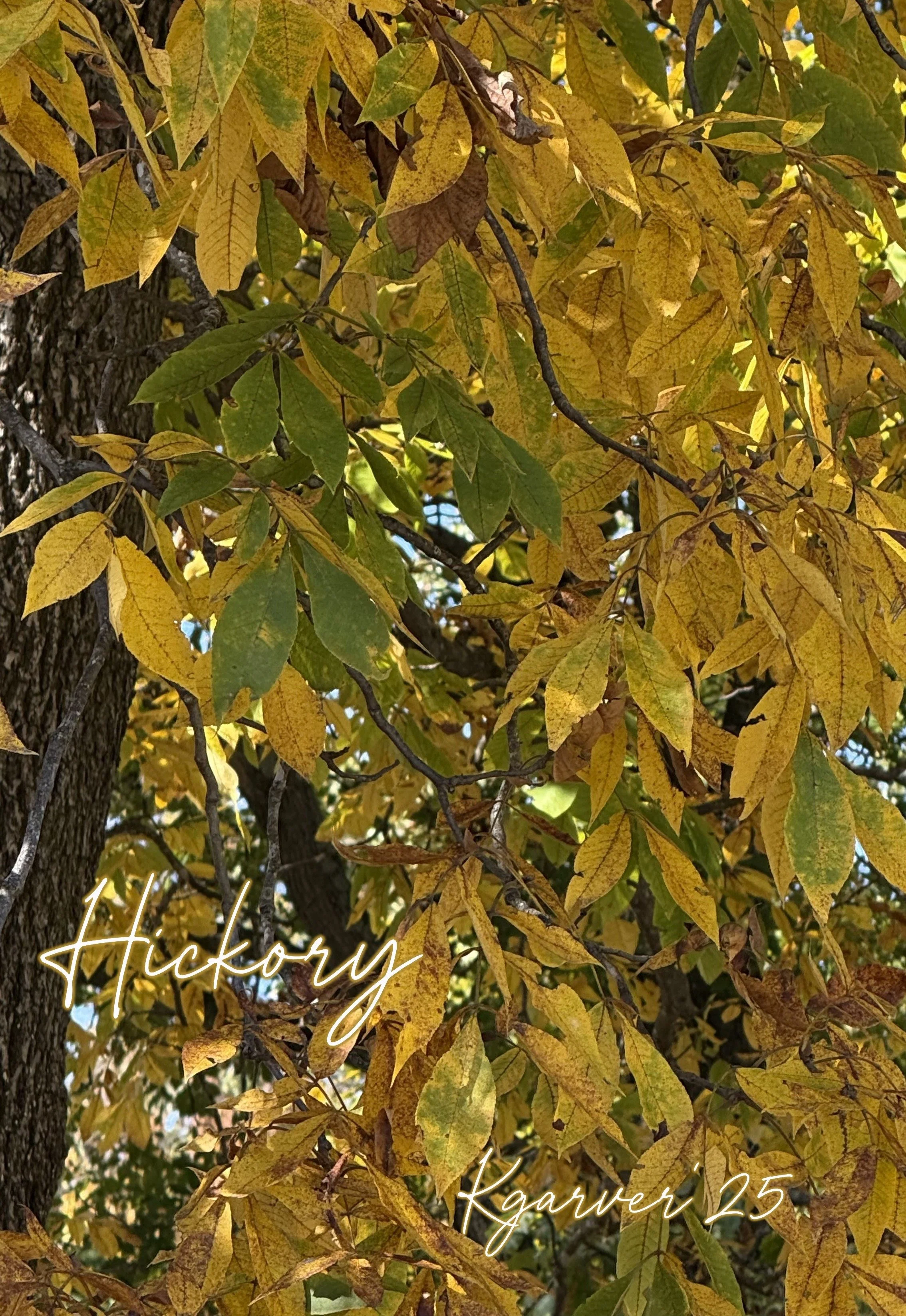
Why do tree leaves that are green in the summer turn different colors in the fall? A cottonwood tree leaf turns yellow before falling off the tree. A red maple tree leaf turns a brilliant scarlet. They were both green all summer, as were hickory leaves that turn golden bronze and aspen leaves that turn a bright yellow. The answer lies in pigments that were either in the leaves already or formed in late summer or early fall.

          The three pigments found in leaves are chlorophyll, carotenoids, and anthocyanins. Chlorophyll is the chemical that gives leaves their green color in spring and summer. It allows plants to use sunlight to produce the sugars they need for food. This process is called photosynthesis.


  As the days shorten in the fall, chlorophyll production slows. Sunlight is less intense, which also slows chlorophyll production. Finally, chlorophyll production stops entirely, and a layer of cells forms and blocks the leaf’s base.

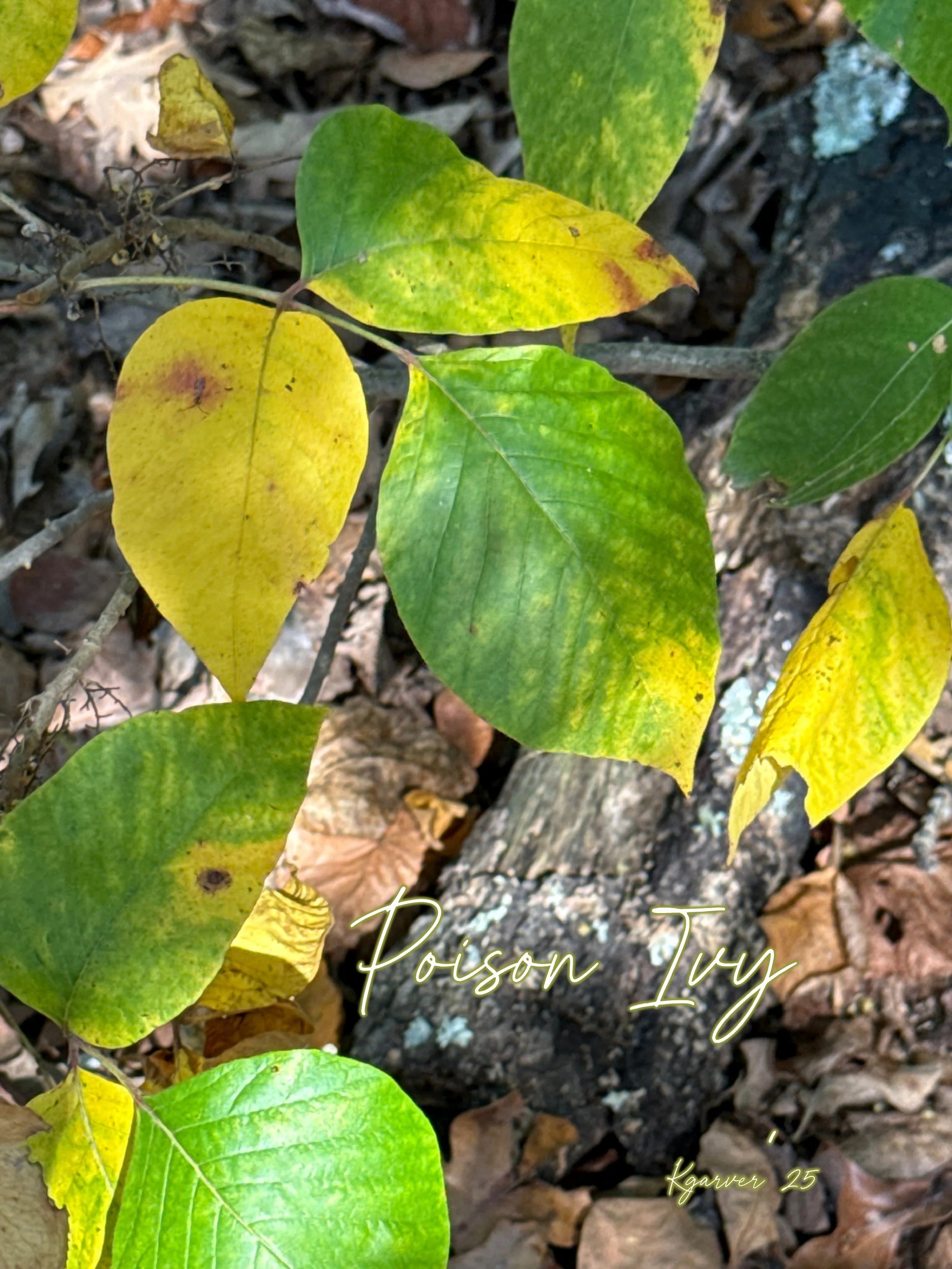
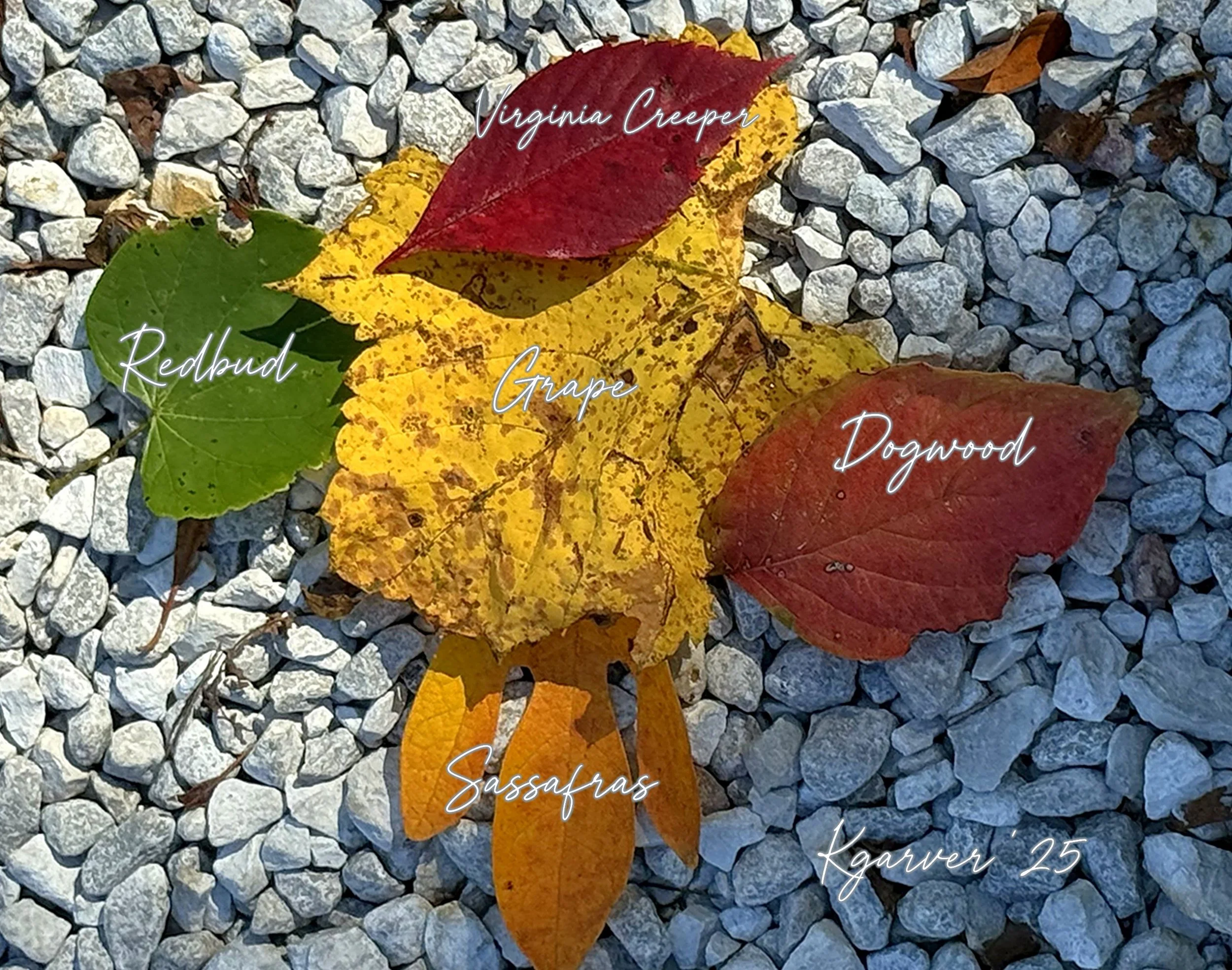
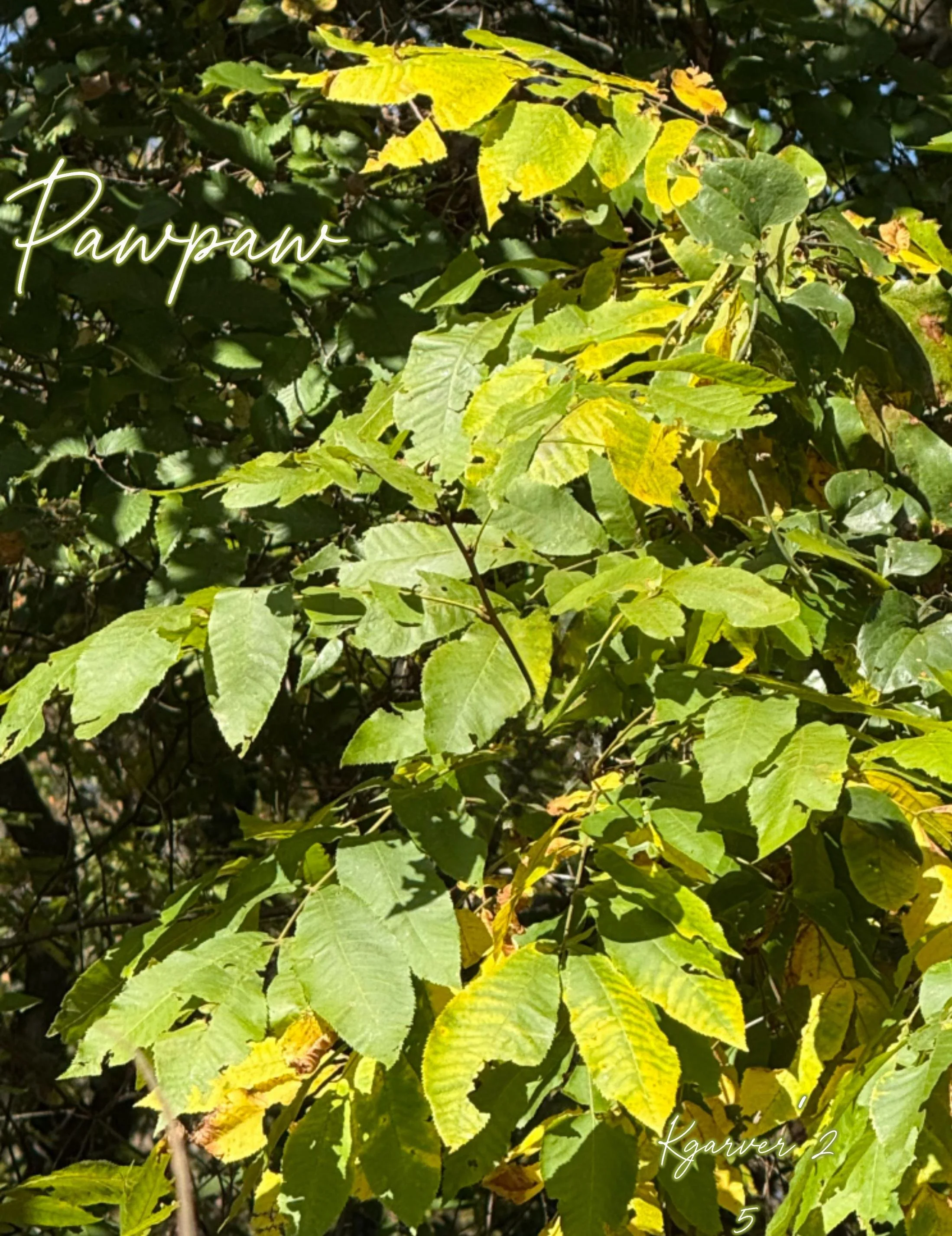
When the green of chlorophyll fades, it allows other pigments to show. All leaves have carotenoid pigment during the spring and summer. It is hidden by the green of chlorophyll. Carotenoid produces yellow to orange leaves, such as those on an ash or tulip poplar tree.
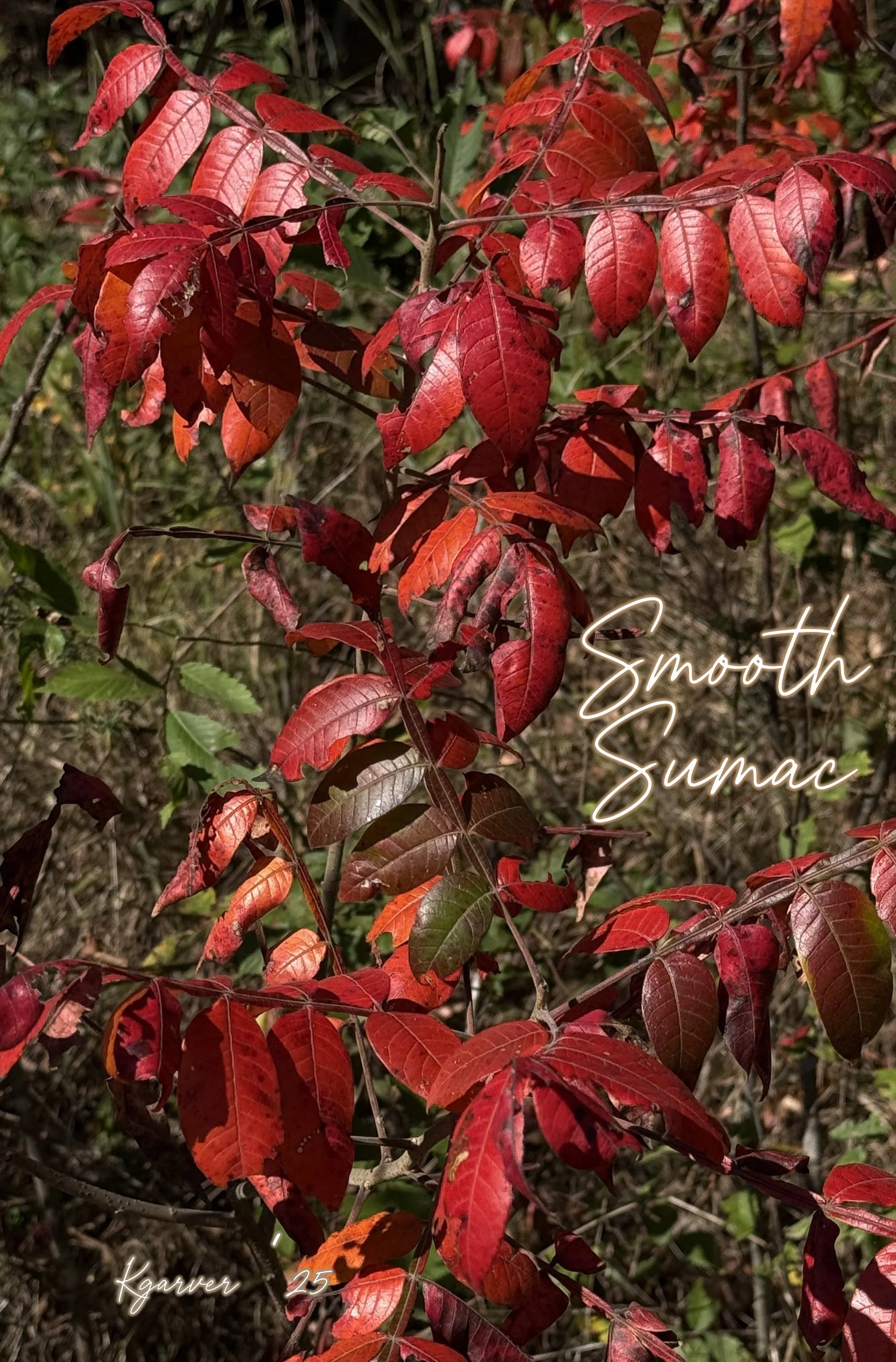
          Some species of trees contain another pigment called anthocyanin. It is formed in the fall when trapped sugar is left in the leaves after chlorophyll production ends. It is revealed in the scarlet leaves of the red maple tree. The red that anthocyanin produces overpowers the carotenoid pigment that is also present in a leaf.

The shortening of days is the main reason that leaves turn colors, but there are other factors that can influence when that will happen. In general, leaves begin turning colors from north to south in the U.S.; weather is a factor as well. Warm sunny days with cool nights produce the most brilliant colors. Moisture in the soil can also affect color and is one of the most variable factors from year to year. A summer drought can delay the onset of fall color by several weeks. A hot and dry spell during early fall can cause the leaves to have less intense color.
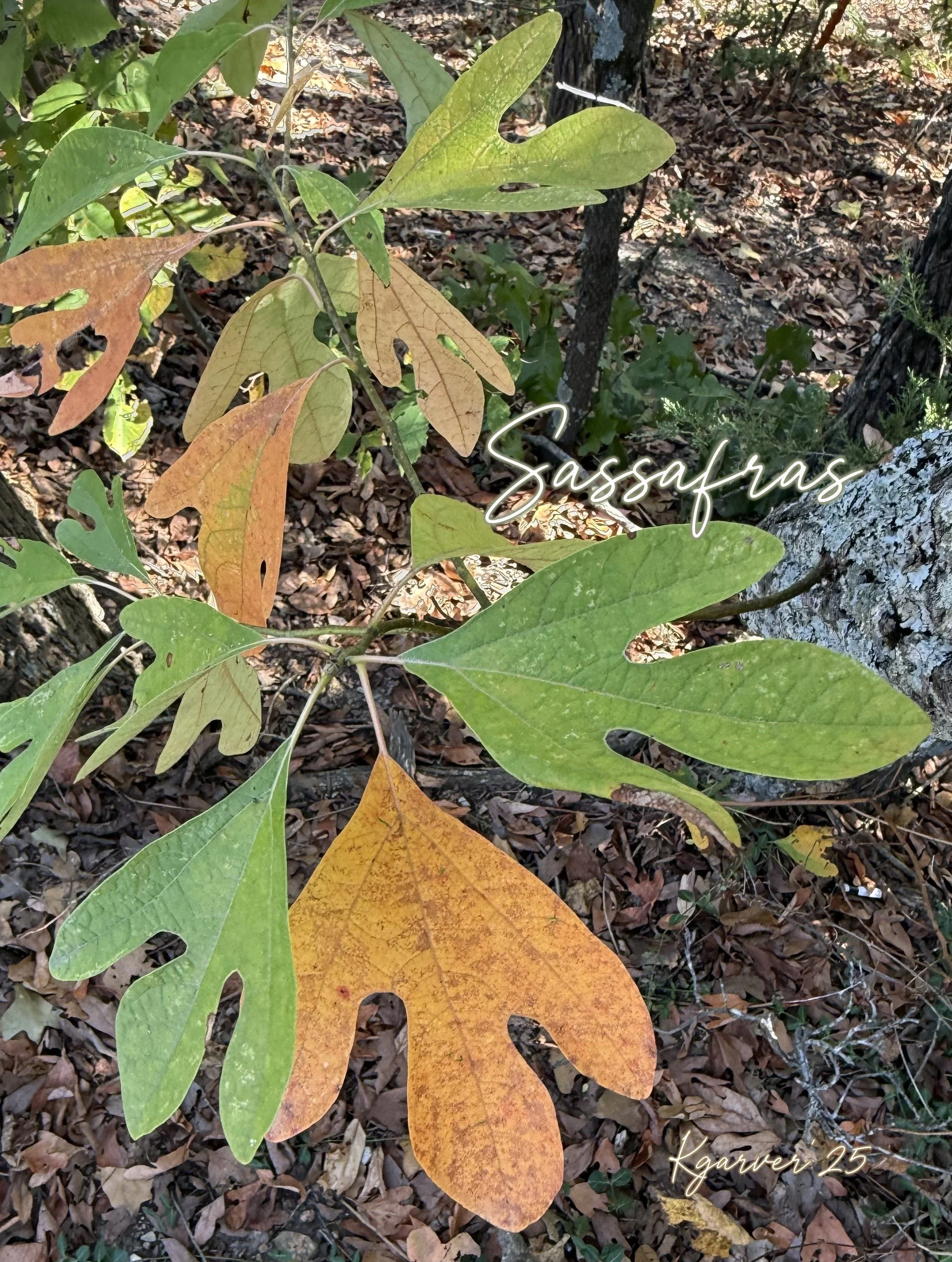
Leaves fall from broad-leaved trees for a reason. Summer leaves are thin and filled with a watery sap. This sap would easily freeze during a cold winter.  So, the tree drops the leaves and preserves sap in the hardier twigs and branches. The lengthening days of spring, plus warmer temperatures, wake up the trees to begin producing chlorophyll along with new leaves.  

          The cycle begins again as baby leaves pop out on tree branches. The light green tint of the trees signals the end of what may have been a long winter.


Submitted by Bonnie Hinman, 2014 Graduate

Posted on October 30, 2025 and filed under Woodlands, Trees.

No Flying Monkeys in the Ozarks; We have Barred Owls!

There are certain phone calls I receive that from the first few words of conversation I know what the subject is going to be. For example, the passion vine or passionflower (Passiflora incarnata) native to our region is so different looking that when a caller to the Shoal Creek Nature Center starts to describe a plant as “different looking” or “bizarre” I have a hunch to its identification.  The one topic, I like the most, are the dialogs where the caller first identifies themselves as intelligent, not irrational, nor on lots of medication. I’ve even had them say “I’m a normal citizen and have a job!”.  I just smile on the other end of the phone, because then they say, “I think I have monkeys in my woods”.

We have eight species of owls in Missouri, and four live here all year long.  The other four raptors visit our region during the wintertime. Which makes the cooler seasons the absolute best time for viewing and enjoying owls.  Barred owls are likely to be the easiest to observe for the average nature lover; there is no doubt they are the one to hear. Barred owls are just the noisy students in the forested outdoor classroom. They are vocal all the time. When I do education programs for elementary classes, I lead in with Missouri’s owls and their special adaptations. I always end with how owls communicate, and I usually shut the classroom door, so we don’t disturb other classes down the hall. While some of our owl species trill, neigh, and hoot or hooo…barred owls have a repertoire of vocals. Third through fifth grade students like to learn about their communication, especially the main territory calls of a series of hoots that can be placed in a familiar rhythm sounding like “Who Cooks for You, Who Cooks for You ‘all”. However, the barred owls are very social with their partners and during certain times of year with their older offspring (the teenagers); they hoop and holler and carry on for easily 20 minutes or more. It is this ballad disorder when they truly sound like monkeys in the treetops.

These owls stay on territory year-round, so if you have them in your neighborhood or on your farm you are likely enjoying the same birds year after year. Barred owls appreciate mature woodlands, and an ideal habitat is a heavily wooded stream or water environment. To keep their body weight down, owls will cough up a neatly packaged pellet of indigestible fur, scales and bones of their prey. This way the materials don’t have to be in their body for full digestion and makes flight more efficient. Their favorite branch perch will have some pellets on the forest floor below. An easy investigation of the owl pellets will give us evidence of meadow voles, crayfish, snakes, and wood rats. Frogs are part of the diet as well; however, they are easily digested and won’t have remains in the pellet. Naturalists appreciate their role in the environment for where they fit in the food web. Just as many people and school children are fascinated by their adaptations and attractive good looks.

Barred owls have dark eyes (of Teddy Bear quality), and their heads are rounded without feather tuffs. Males and females look similar, but females are slightly larger. Teenagers will have more reddish or brown tones, compared to more gray plumage of older adults.  I have to say, I think of them as good neighbors on my farm. Kansas’ Dorothy witnessed flying monkeys in OZ, but we never have to worry about them. And just like lovable neighbors…we all might hear their “music/songs” or conversations …but we smile and appreciate them in our community.

Jeff Cantrell is a local Stream Team biologist and specializes in conservation volunteer engagement. He assists MO Master Naturalist chapters in Joplin, Rolla, and Springfield and is proud to announce their 2024 recognition pin is the Barred Owl.  Thank you volunteers for serving our natural heritage!

Field notes by J. Cantrell, photos courtesy of the MO Dept. of Conservation

Posted on January 4, 2024 and filed under Territory, Owl Pellets, Owls, Woodlands, Wildlife.