JUNE PRAIRIE STUDY By Val Frankoski
In late June, Chert Glades chapter members took advantage of an opportunity to learn more about prairie reconstruction and experience results of projects underway at Shawnee Trail CA. Early spring training sessions with Dave Darrow had not allowed us to actually see the fruits of his team’s labor and he had repeatedly offered to host a return when forbs were showy.
POLLINATORS ARE IMPORTANT By Billie Mullins
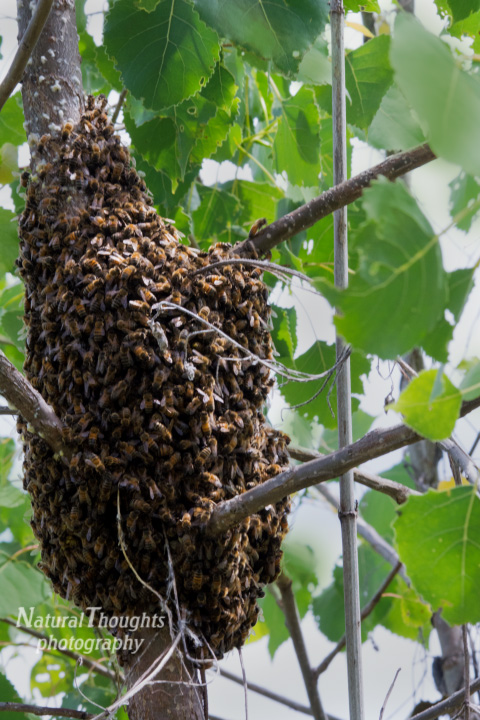


This week is National Pollinators Week. In 2007 the US Dept. of Agriculture and the US Dept. of the Interior set aside this week to celebrate pollinators and spread the word about what each of us can do to protect them.
Pollinators are a vital part of a healthy environment. They convey pollen to fertilize flowers that produce fruit and seed. Bees are the main pollinators and the US has 4000 species of native bees. Native bees are ground or wood nesters, they are solitary, most do not sting and their average foraging distance is 50 feet to one-half mile. The most common bird that acts as a pollinator is the hummingbird. Other pollinators are bats, butterflies, moths, wasps, beetles, flies and ants.
More than 80 percent of the world's plants need pollinators. 75 percent of the world's flowering plants and 35 percent of the world's food crops depend on pollinators. The US grows more than 100 crops that need or benefit from pollinators. Some food items that we would not have if we lost our pollinators are apples, blueberries, strawberries, almonds, melons, peaches, pumpkins, tomatoes and citrus fruit.
There are two things each of us can do to help protect pollinators. First, reduce or eliminate the use of pesticides, and second, plant a variety of native plants with different bloom colors and shapes that flower at different times throughout the growing season.
A simple recipe for a pesticide substitute is a teaspoon of liquid dish soap in a gallon of water. Spray as needed on both sides of leaves to control aphids, spider mites and white flies.
Plants that provide pollen or nectar (or both) that bloom early in the Spring when food is scarce are especially helpful. Some examples of pollinator friendly shrubs and trees are dogwood, blueberry, cherry, plum, willow, oak, buttonbush, spicebush, serviceberry and New Jersey tea. Examples of native forbs are aster, beardtongue, bergamot, blazing star, cardinal flower, prairie clovers, compass plant, coneflowers, coreopsis, goat's rue, goldenrod, Indian paintbrush, indigo, leadplant, milkweed, mountain mint, poppy mallow, rosinweed, spiderwort, and sunflowers.
Planting host plants (food for the larva of pollinators) is also important to assure that pollinators successfully reproduce. Here are some examples of host plants for butterflies and moths.
· Common buckeye - blue toadflax
· Great spangled fritillary - violets
· Monarch - milkweeds and butterfly weeds
· Painted lady - pearly everlasting and sweet everlasting
· Red-spotted purple - cherries and willows
· Spicebush swallowtail - sassafras and spicebush
· Tiger swallowtail - basswood, birches, black cherry, tulip poplar and willows
· Zebra swallowtail - pawpaw
· Luna moth - alders, American beech, birches, hickories, maples, oaks, persimmon, sweetgum and willows
Pollinator Week has grown into an international celebration of the valuable ecosystem services provided by bees, birds, butterflies, bats and beetles. Wouldn't it be great if wildflowers lined all roadways and our vegetable gardens and agriculture fields had a border of native wildflowers?
We can all be a friend to pollinators.
SUMMER SOLSTICE AND A STRAWBERRY MOON!
This year the summer solstice arrived on Monday, June 20 at 6:34 PM EDT. The longest day of the year also brought a special sighting, a strawberry moon!
CHAPTER MEMBERS DOCUMENT SPRING HAPPENINGS!
Members of the Chert Glades Chapter are out in the area seeking signs of spring; hiking, exploring and sharing their finds. Walk with us as we show you what we’ve been up to and what to expect right now in the wild. Get out there yourself and enjoy this early spring!
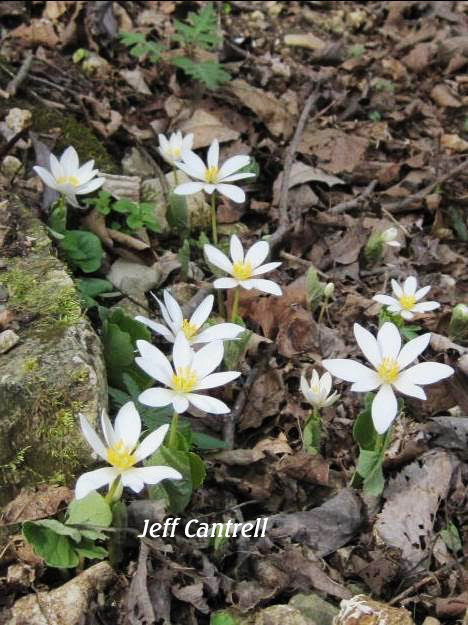
Jeff Cantrell – “Greetings Naturalists. To us spring arriving early conveys an abundance. The wheels and cogs are certainly turning in the web of life machine. I walked the Eagle Roost Trail, Roaring River State Park, after work yesterday, so much is ahead of schedule, at this rate morel mushrooms could be following Easter. Sweet William, Hepatica & Bloodroot (at its peak), Trout lily, Dutchman’s Breeches, pussy toes, toothwort (passed its prime) are all along the slopes.”
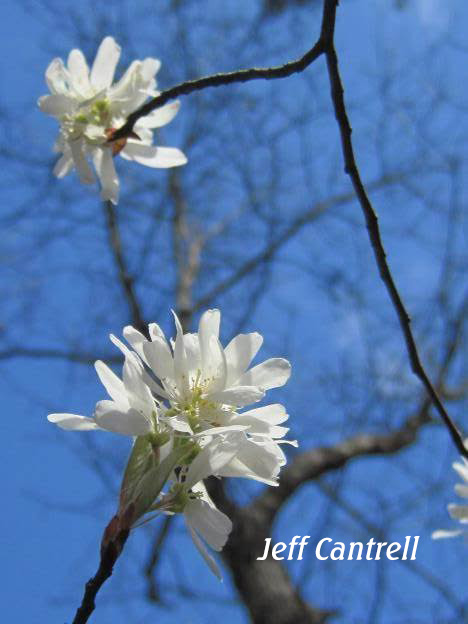
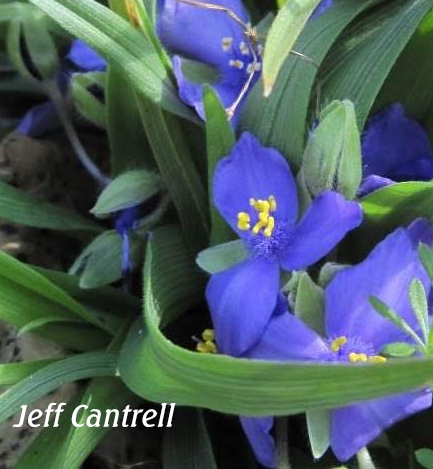
Becky Wylie – Becky has been busy documenting spring blooms on the Facebook page for Wildcat Glades Conservation and Audubon Center.
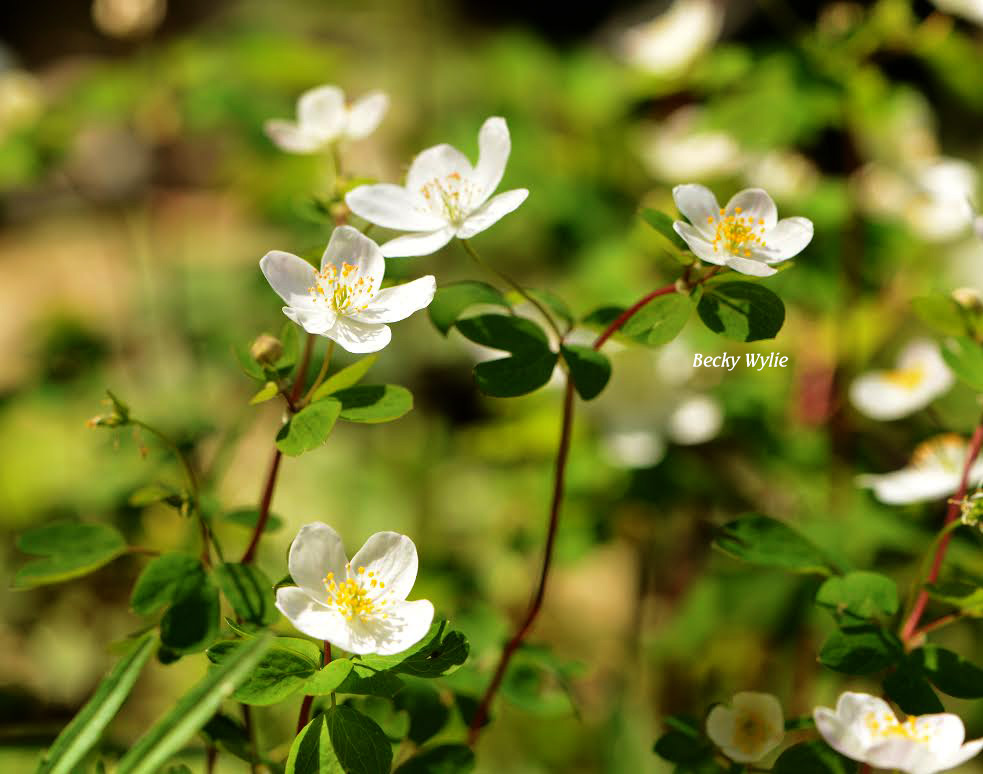
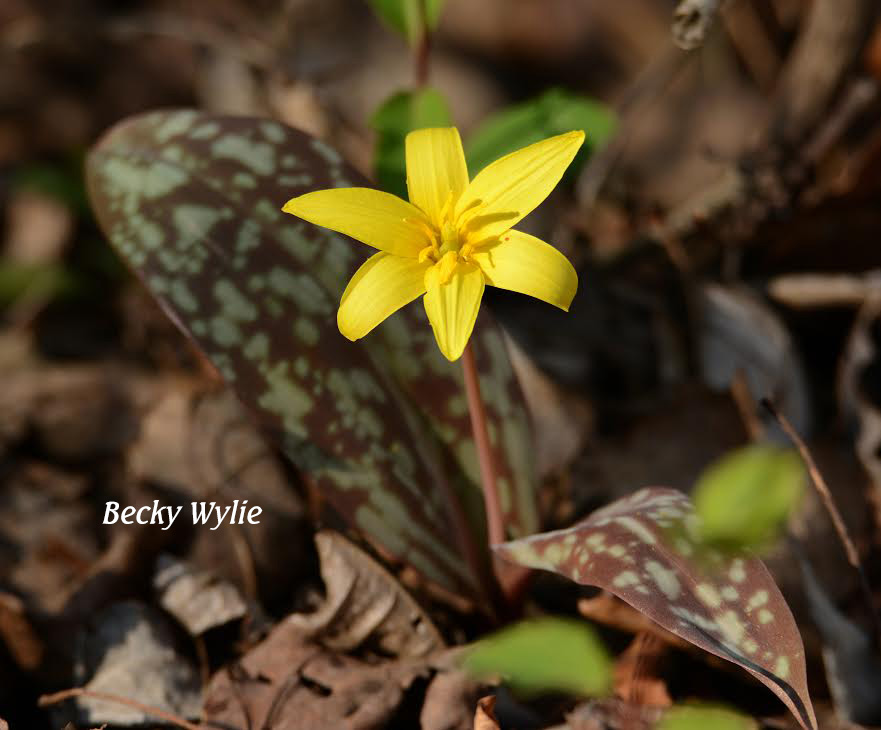
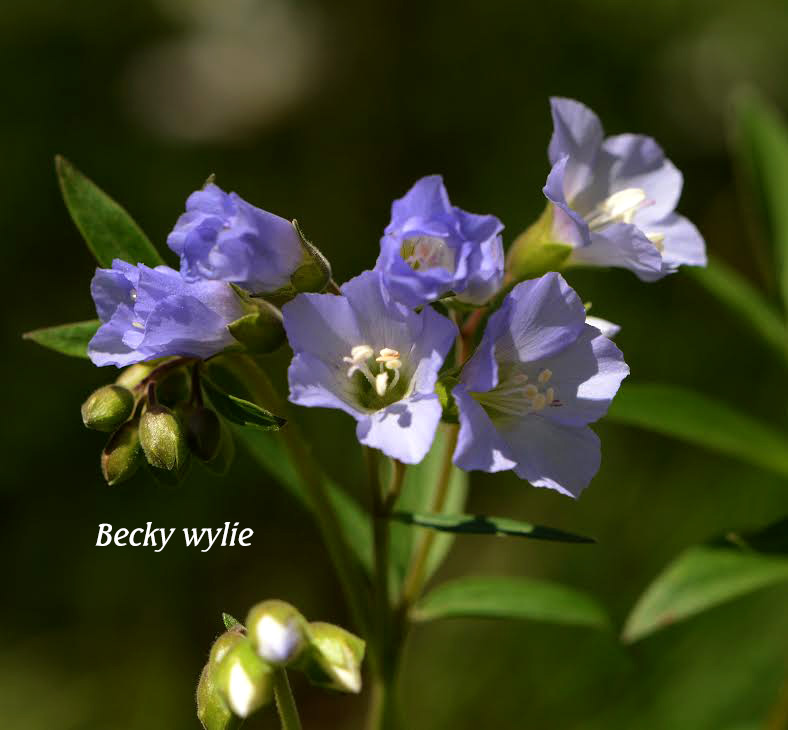
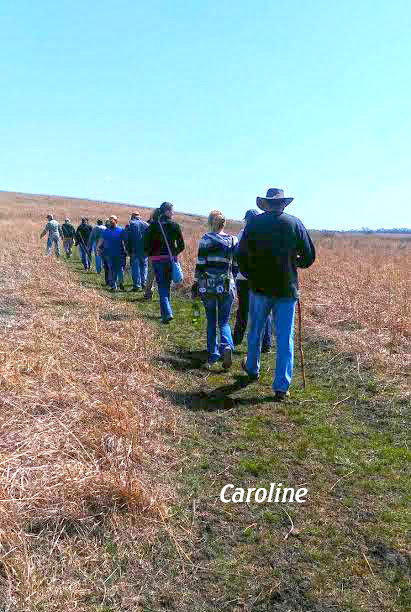
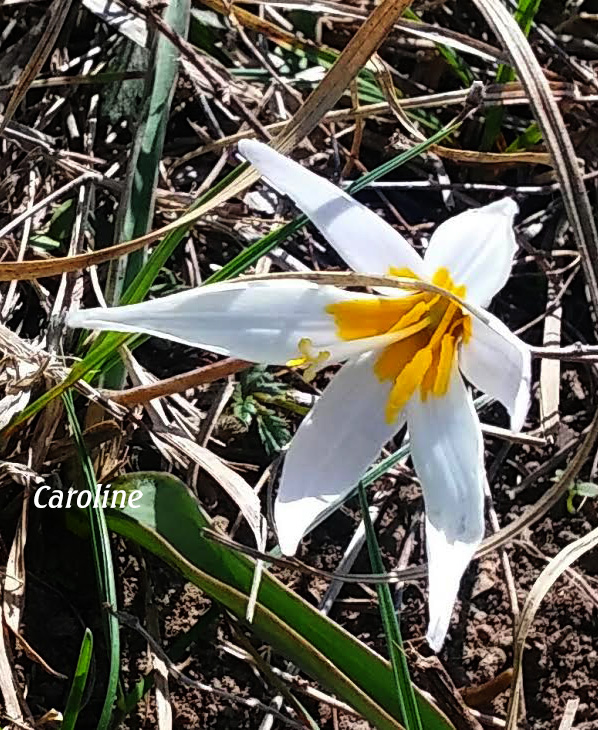
New member, Caroline Perigo documented the Saturday field session hike at Prairie State Park. Members learned about prairie history, ecology and preservation, and enjoyed a great day at Prairie State Park!
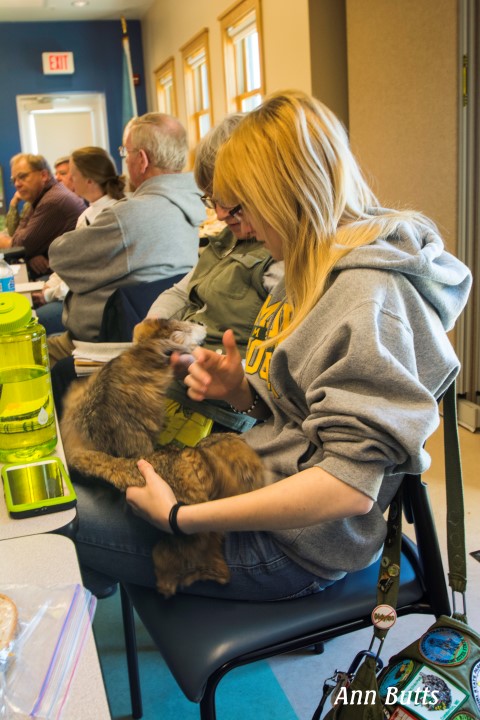
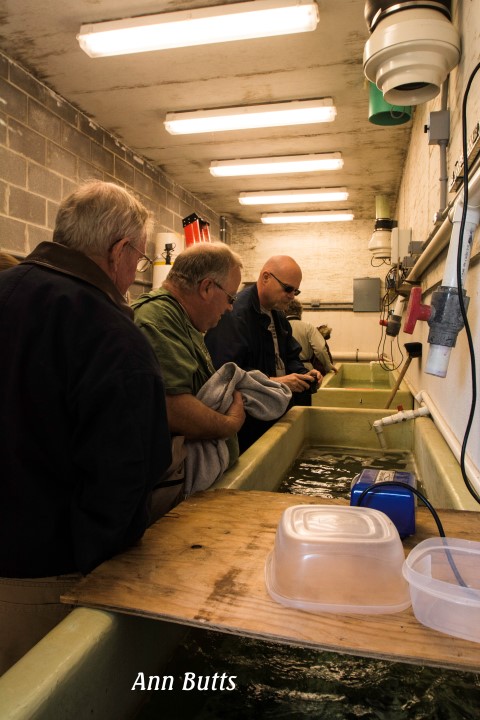
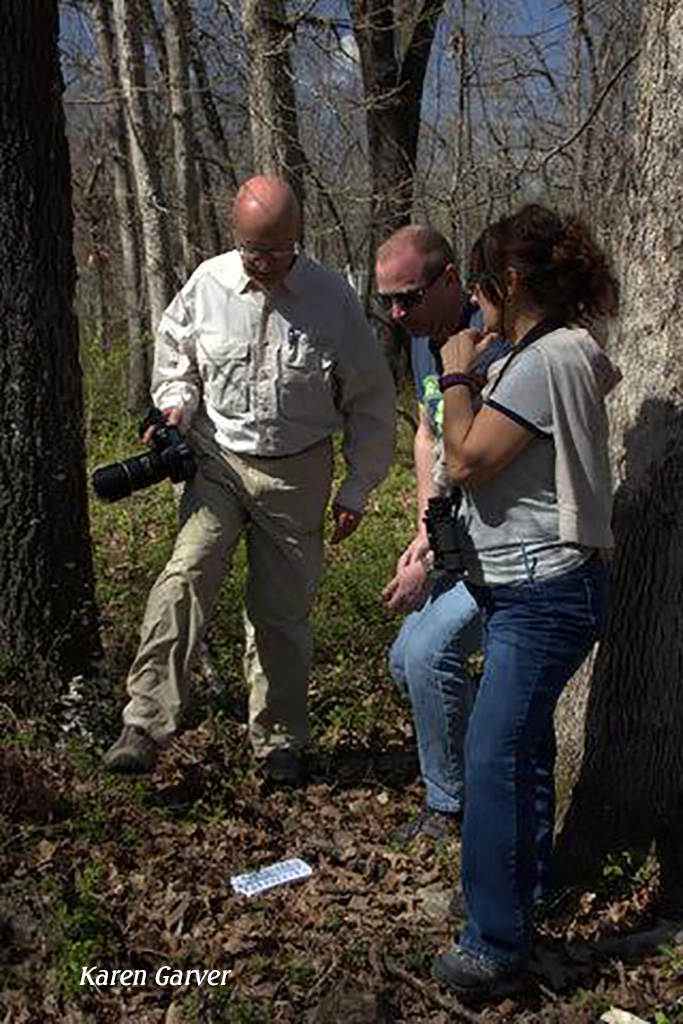
Karen Garver and Ann Butts documented a Saturday field session at the Neosho National Fish Hatchery and Bicentennial Park in Neosho. The morning session covered mammals with Jeff Cantrell and lots of hands-on activities. Members learned how the hatchery contributes to pallid sturgeon species recovery, recovery efforts for threatened or endangered native mussels, and recovery of the Topeka Shiner. At Bicentennial Park, Keith Jones led the class on a hike and exercise in habitat maintenance and recovery.
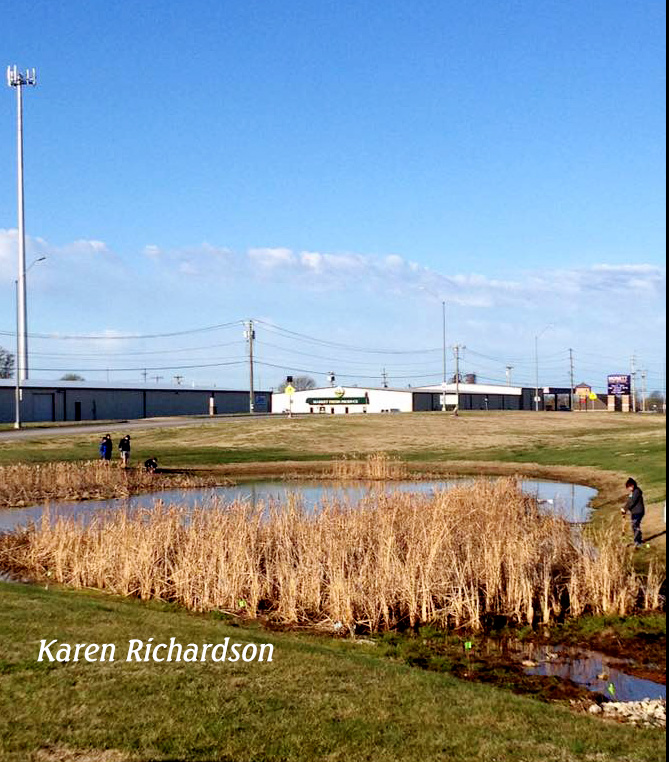
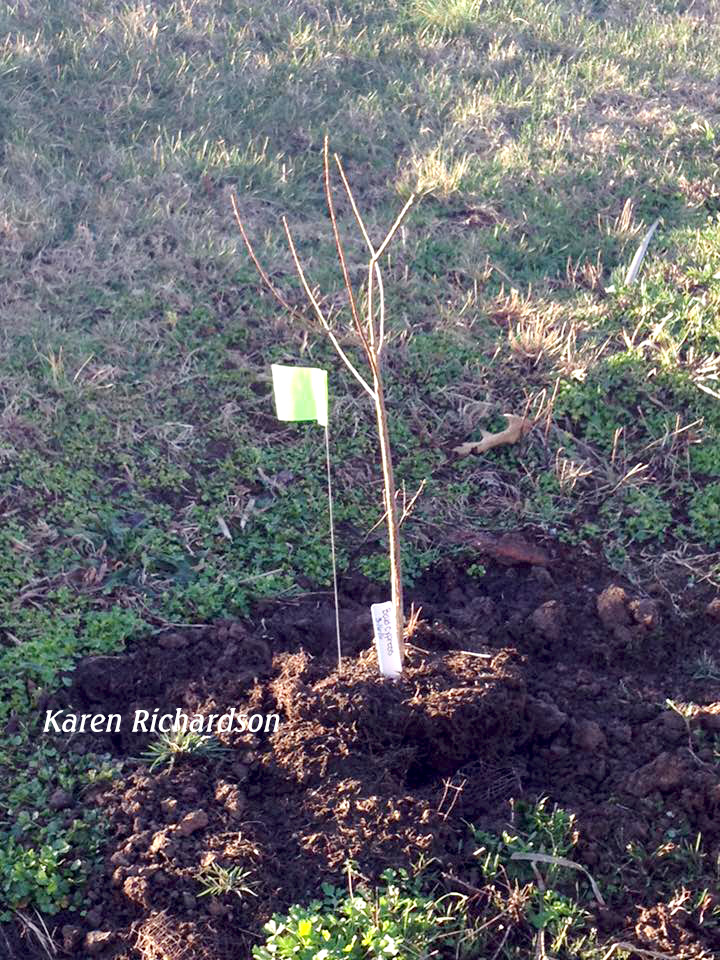
New member, Karen Richardson, worked on her capstone project at the Outdoor Nature Lab at Monett High School. Close to 90 Missouri native plants were chosen for planting because of their soil conservation properties. “The nine-bark and choke berry are really leafing out nicely,” she says. “I am especially looking forward to seeing the cypress start greening up.”

Member and artist Joyce Haynes documented her visit to Wah kon ta Prairie to view endangered prairie chickens by writing and using her amazing talent to draw a prairie chicken in her journal.
ALL THAT WHITE! by Kevin Mouser
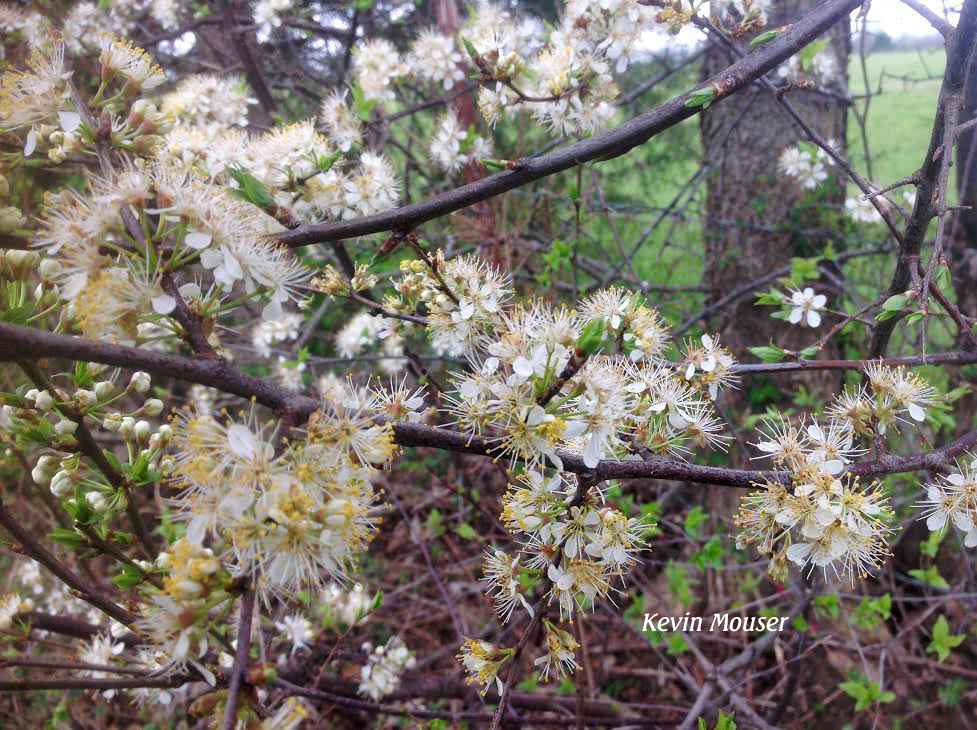
When my parents call me from St. Louis, one of the go to questions in the spring is, "Are the dog woods blooming?" They know that this will never get a straight answer from me, but they love me so they tolerate my rambling stories about the wonderful springs here in southwest Missouri. Dog wood trees are definitely a popular tree, they have festivals, roads, and many other things named after them. Many towns even sponsor a day of driving in the country with just the purpose of seeing these lore wrapped beauties in bloom.
What if I told you that most of the white trees you are admiring aren't dog woods? Is that horrible news or are you suddenly excited about the diversity and beauty our region has to offer? Well, if you are excited, let me tell you about a small white tree that decorates our fence rows and forest edges. After it finishes decorating our world and being one of our first harbingers of spring it finishes the year with a sweet treat, if you are quick enough to find one. What is this wonder of our world? The wild plum tree.
Enjoy the spring and all the beautiful white flowers, but know that there is diversity in them there hills, and you are getting just a glimpse of it. If you are intrigued by this hint of diversity then maybe leave the road and explore a conservation area or state park. There are a myriad of beautiful, small flowers that you need to see to believe.

A NATURALIST'S EYE by Ann Butts
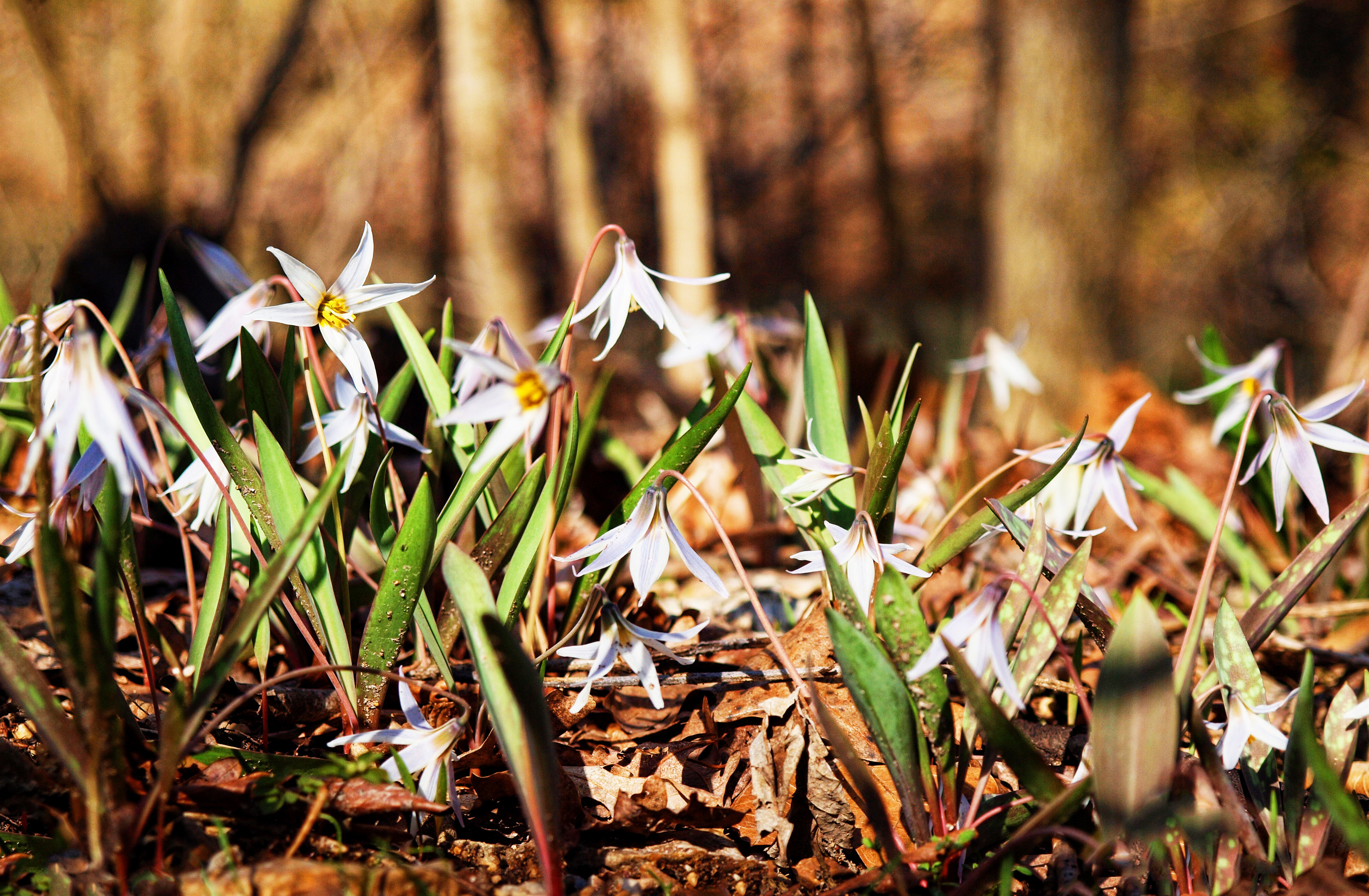
“The most beautiful thing we can experience is the mysterious. It is the source of all true art and all science. He to whom this emotion is a stranger, who can no longer pause to wonder and stand rapt in awe, is as good as dead: his eyes are closed.”
― Albert Einstein
Anyone that has routinely studied our natural surroundings by “getting out there,” has a Naturalist’s Eye. Naturalists love to spend time observing and recording natural events; an endangered flower on the prairie, an eagle “watching us” in a park, and a flock of thousands of snow geese landing on a lake. Yes, we’ve done all that and much more as Missouri Master Naturalists.
While Master Naturalists have considerable training opportunities available from many experts, it is with our eyes that we become Naturalists. Our eyes lead us out to prairies, woods and lakes filling our minds with mysterious experiences that become education. Our eyes are open to conservation needs, and that spurs our hands to actively pursue projects to protect nature. Our eyes are the windows through which our hearts receive love and devotion to nature, so we can share it each in our own particular way.

The person who said, “Beauty is in the eye of the beholder,” regarding art must have had a Naturalist’s eye. Many famous painters worked outdoors to capture natural forms. John James Audubon could not have created his famous watercolors of birds without spending so much time observing them in their natural habitats. Claude Monet’s outdoor paintings hang in many famous museums worldwide. He attributed his eye for nature to be his most important accomplishment when he said of himself; “My only merit lies in having painted directly in front of nature, seeking to render my impressions of the most fleeting effects.” Monet was known for dragging his contemporaries, Renior, Sisley and Brazille, also famous artists, on his outdoor excursions. Such famous artists, all with the eye of a naturalist, brought nature to others. Who would challenge that these famous artists were not “naturalists?”
Who is better to become an advocate for conservation of natural resources than those who love and study nature like Master Naturalists? Each of us has particular interests and talents, along with the drive to preserve and protect our natural surroundings. Each of us finds a way to share our knowledge by unobtrusive measures to those whose minds are open to learning along with us. Each of us has our eyes open waiting for the beauty of nature to inspire us. After all, anyone who does not “stand in rapt awe” at the sight of a tiny bug, a delicate flower, or a purple sunrise, must be those who truly have their eyes closed.

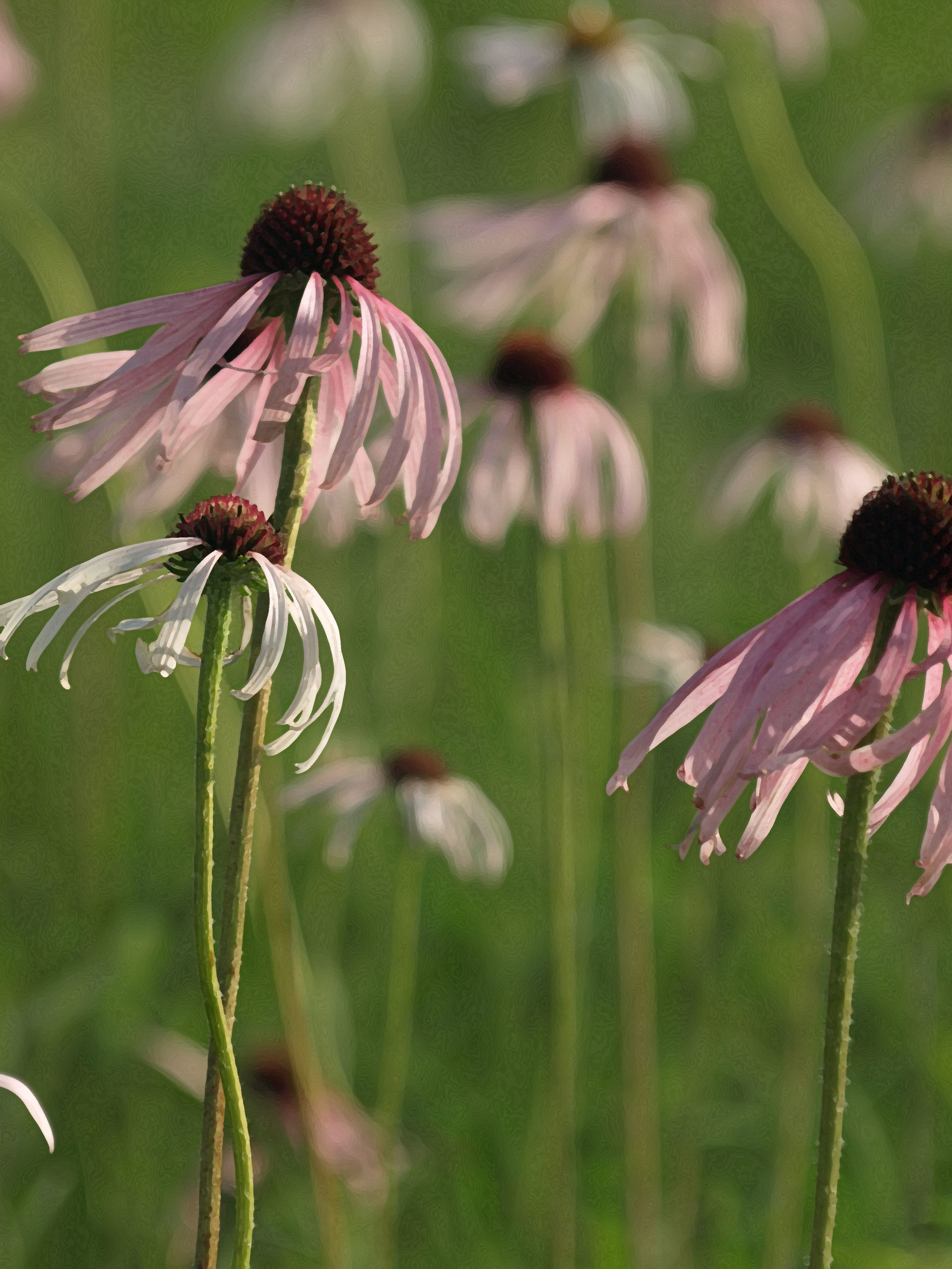

Ann Butts has been a member of the Chert Glades Chapter of Missouri Master Naturalists since 2005. She loves "thinking about nature, learning about nature, and respecting nature," through Master Naturalist activities. You can find her photography website and nature blog under Natural Thoughts Photography and Natural Thoughts Blog.
WINTER SUNSETS ARE THE BEST By Katharine Spigarelli

Everyone loves sunsets. Sunsets grace the covers of travel magazines and brochures. People talk endlessly about the sunset they saw on this beach or that beach. Photographers are always trying to capture that perfect sunset picture. On Facebook, people share photos of the sunset they saw that night. Sunsets are definitely inspiring and enchanting. But, have you noticed how sunsets in the winter seem even more beautiful?

I was curious about whether I was actually seeing a more beautiful sunset in winter or if it was all in my imagination. In my thinking, I had decided that the air must be cleaner and crisper in the winter, resulting in more beautiful sunsets. I thought about the heat you can see rising off the pavement in the summer and thought this might affect the sunset. But, I’m no scientist, so I did some research to find out if there was a scientific explanation. Turns out, there is.
The National Oceanic and Atmospheric Administration (NOAA) affirms that late fall and winter sunsets are indeed more beautiful. Steven Corfidi, a meteorologist with NOAA, says that winter sunsets tend to be more colorful because “the air along the path of the ray of sunlight tends to be dryer and cleaner.” In an article in Mother Earth News, December 2014, titled “Why sunrises are more amazing in the winter," they report that NOAA states, "Because air circulation is more sluggish during the summer… late fall and winter are the most favored times for sunrise and sunset viewing over most of the United States." So, sunsets are more beautiful in the winter.

Now, get out there and take advantage of these last few weeks of winter and enjoy those sunsets, and if you are an early riser, enjoy the sunrises. You won’t be disappointed.
Katharine Spigarelli joined the Master Naturalists in 2010, but she feels she has been a naturalist all her life. She grew up in the country and being outdoors is where she loves to be. Photography is a passion and nature photography, in particular, inspires her. She is proud to be a tree hugger.
SIGHTS AND SOUNDS OF STELLA MISSOURI by Kevin Mouser

Greetings to you all, and thank you for coming and visiting the sleepy little town of Stella, Missouri where the eagles hang out in down town. We were glad to have you as our guests on a chilly Saturday in January. If you weren’t able to join us this year, I hope you were safely snuggled up in a blanket watching nature documentaries involving warm tropical waters and sun soaked beaches. Maybe you can don your fuzzy coat and join us next year? It really is a great opportunity to get in touch with nature and see some of the most amazing birds!
The Festival of Eagles brings many people to Stella from some pretty great distance, but I wanted to write to you today as a master naturalist who lives in Stella year round. I wanted to share with you some of the sights and sounds of Stella and the country side around it, and not just in the blustery, cold days of January. Stella has many great things to offer to someone who is interested in the natural world and seeing wildlife. The greatest thing about the wild lands surrounding Stella is that they are so easy to access. Most of the wildlife viewing, as you found out while watching eagles, can be done from the comfort of your car. Some of it though requires getting your feet wet and that is where we will start.
Indian Creek starts around Stella as three little branches all meandering and gurgling west. Maybe you noticed the one branch, the most southern of the three, which flows right through the middle of town and next to our little park. That clear and clean little stream is host to many underwater denizens and even some that hang out above the water. Just this past summer a Baltimore oriole created an amazing feat of engineering and built a nest right where the creek passes under the bridge in town. It is only in a town like Stella where you can park in the middle of the bridge for an hour and watch an oriole build a hanging nest of grass and not bother anyone else’s traffic schedule. On that same location, on another day the drama of a cow bird trying to steal that nest played out in front of my eyes. The male oriole knew what was at risk and, ever vigilant, drove off the cow bird at every turn. Far below this sight was another under the water.

Indian Creek is home to some small, but amazing, fishes. If you are brave enough to get in the water starting in March then you might get to see some of these jewels. The easiest to view are the orange throat darters. The males compete for territory and for the attention of picky females by showing off fins painted in bright reds and blues. They dance and wiggle their flamboyant colors across the bottom of the stream with either a message of love or a message of competition, depending on who is there to watch. Believe it or not though, these aren’t the most colorful fish in the stream. Later in the spring and early summer the cardinal shiners will start looking for clean, fast flowing riffles to spawn over and when they do, they will flip a switch and turn from little silver minnows into a red blast of colors worthy of their name. If you are in the right place at the right time and you take a moment to glance at the waters of Indian Creek you will see it running red, not with the blood of fallen Civil War soldiers as once happened in this area, but with the colors of male cardinal shiners competing for the opportunity to chase a girl through the cold waters.


If getting into the water on a cold spring morning doesn’t sound like a great idea, then maybe consider visiting us in the late summer when we become home to a myriad of wildflowers that make our roadsides look like someone forget to put the lid on the paints before driving around. Yellows, oranges, reds and purples all sway in the warmth of the late evening breezes. The different varieties of sunflowers all tower into the glow and beg beautifully for the title of biggest, yellow flower. The butterfly weed with its crown of small blooms handily wins the best in orange award. Butterfly weed and purple milkweed both attract their own tourists as the butterflies start to store up energy for their plans for the winter months. The cone-flowers, which almost seem melancholy with their drooping petals, can stretch for miles down the sides of the country roads and are a subtle reminder to the children that school is once again about to come to session. Maybe they are in fact empathetic to the pleas of the young kids of the area? If you are brave enough to eat at the roadside tables of Stella then I would tell you to check out a menu of passion fruit with its exotic flower and blackberries which do not give up a sweet treat without first collecting a price if you are not careful. All of these treats, both of the eye and the mouth can be found on a late summer day on the country roads of Stella.
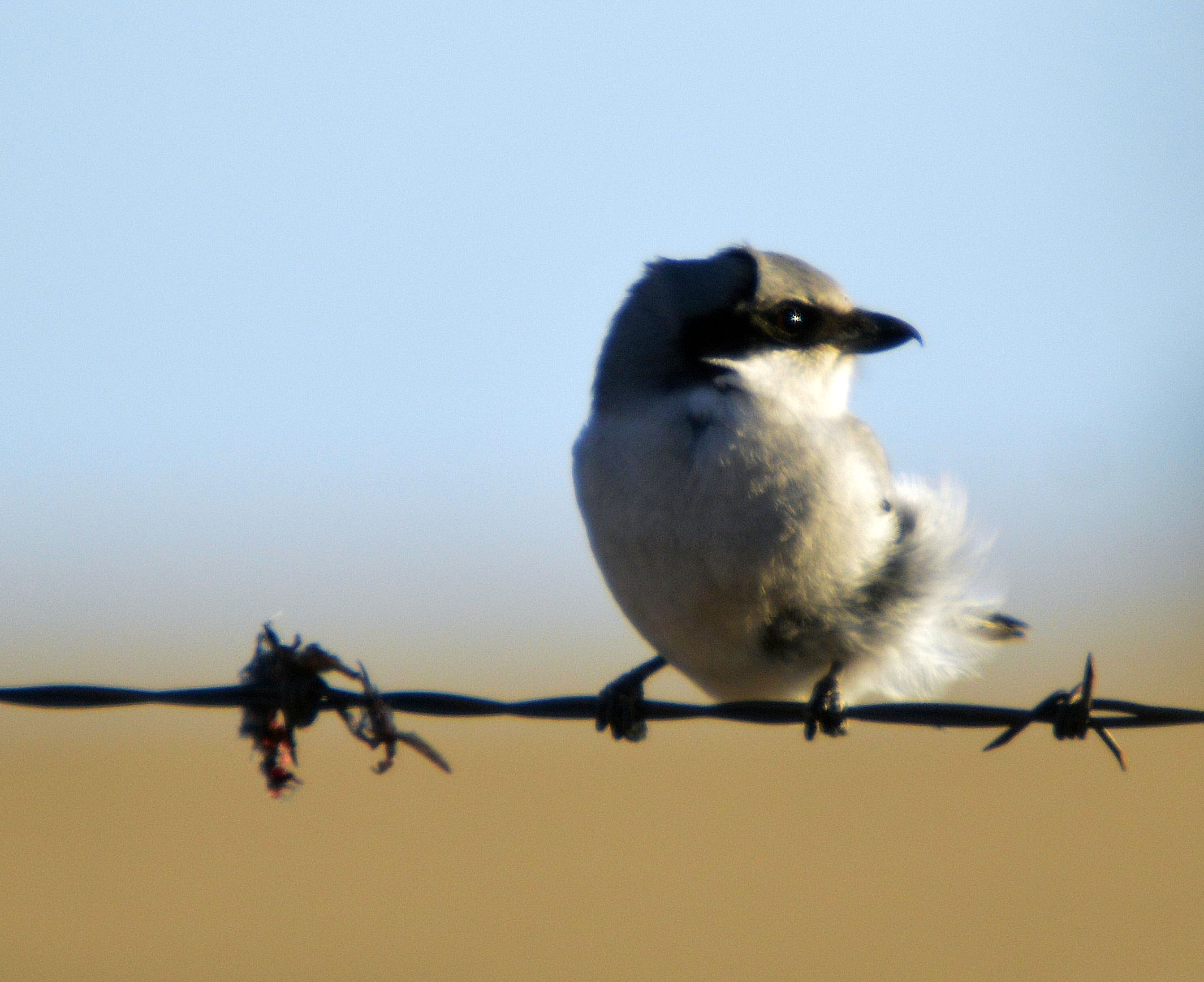
I hope you enjoyed the time you had to visit with our national symbol while you were visiting Stella. I hope you had a chance to meet someone new, feathered or otherwise, and I hope you learned something. We were glad to have you as our guests, and please take the opportunity to come back to Stella in the spring or summer to see what nature has to offer you then. Make sure you bring your binoculars though; you never know who might be sitting on a strand of barbed wire waiting for you to take a look.
Kevin Mouser is a member of the Chert Glades Master Naturalist Chapter. He is the Special Education Science teacher, Ecology teacher and Science Club sponsor at East Newton High School. When he is not teaching, driving a school bus or sleeping, he really enjoys spending time with his wonderful wife Cristal and getting into the great waters of the Missouri Ozarks.
FIRST DAY HIKE By Katharine Spigarelli
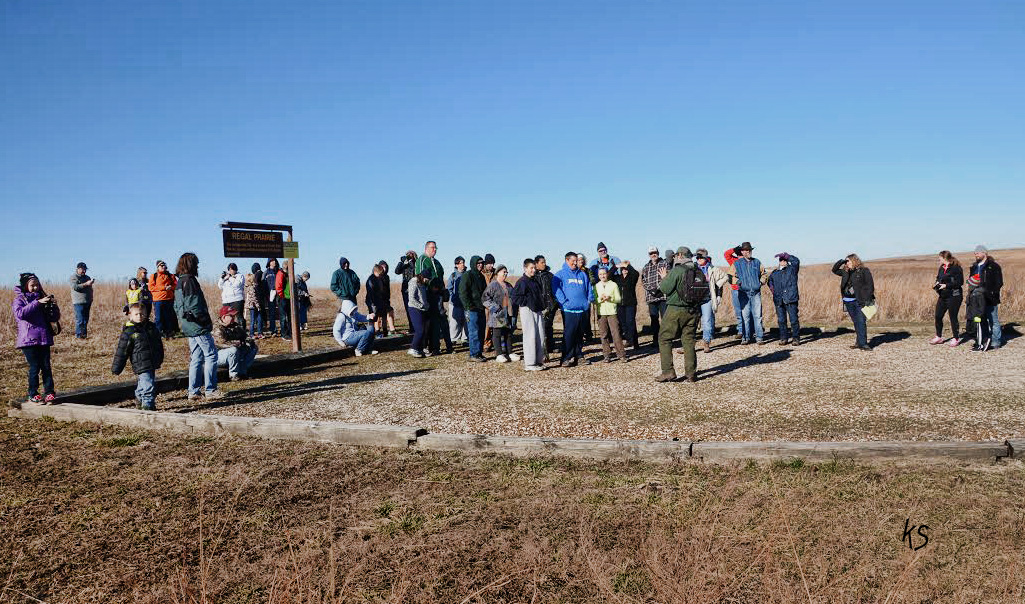
The sun was shining, the air was crisp, and it was a perfect day for a hike. Almost every New Year’s Day I’ve gone on some kind of outdoor adventure with friends. This year the First Day Hike at Prairie State Park beckoned me. First Day Hikes are sponsored by America’s State Parks and provide individuals and families an opportunity to get outdoors and experience some of nature’s wonders in the winter.
There were numerous First Day Hikes at state parks in Missouri and we were lucky that one was held so close to us. My nephew and his son were visiting and Jaden, 6 years old, had never seen a bison. It was perfect. We got a bit of a late start and had to make haste to catch the group who were already on the trail of a group of bison. When we caught up, Dana Hoisington, park naturalist, was leading a group of around 30 people across the prairie and stopping along the way to share information about bison, prairies, and history.
We learned about the benefits of the prairie for our ecosystem and how prairies are more endangered than rain forests. We learned that once a prairie has been plowed, it can never be restored to the potential it once had. We learned that a field of fescue left to grow is not a prairie. It is a monoculture and prairies are diverse and offer habitat and support for a wide variety of wildlife. We learned about the difference between buffalo and bison. We hiked for almost an hour, walking and stopping to learn, before we actually saw any bison. It was awesome to watch as this mixed group of people, young and old, listened with interest and anticipation.

When we finally reached a vantage point where we could actually see the bison, a group of maybe 7 or 8, we were probably a quarter of a mile away. We watched quietly and those who had binoculars got a closer look. We moved closer and the bison group watched us. It was obvious that our large group made them nervous and before we were able to get much closer, they decided to move. Their movement led them back toward the visitor’s center, where we were also going. As we walked back along the road, there was more talking and several stopped to pick up some trash along the sides of the road. We were excited when the bison once again came into view. But, they were still nervous about us and continued to move. Our group continued back to the visitor’s center.

I think all who were present were satisfied to have spent the afternoon of the first day of the new year hiking on the prairie. For me, it was rewarding to have seen my great-nephew see a bison for his first time. Back at the visitor’s center, we were welcomed by warmth and hot chocolate. Jaden and Abbie, daughter of fellow master naturalist, Erin Miller, enjoyed searching the display for all the “hidden” flora and fauna. It was a great experience. Thanks to Prairie State Park and Dana Hoisington for providing this opportunity for our area.